
Sunzenith Solar Calculator
Solar Energy Analysis Tool and Company Platform
Overview
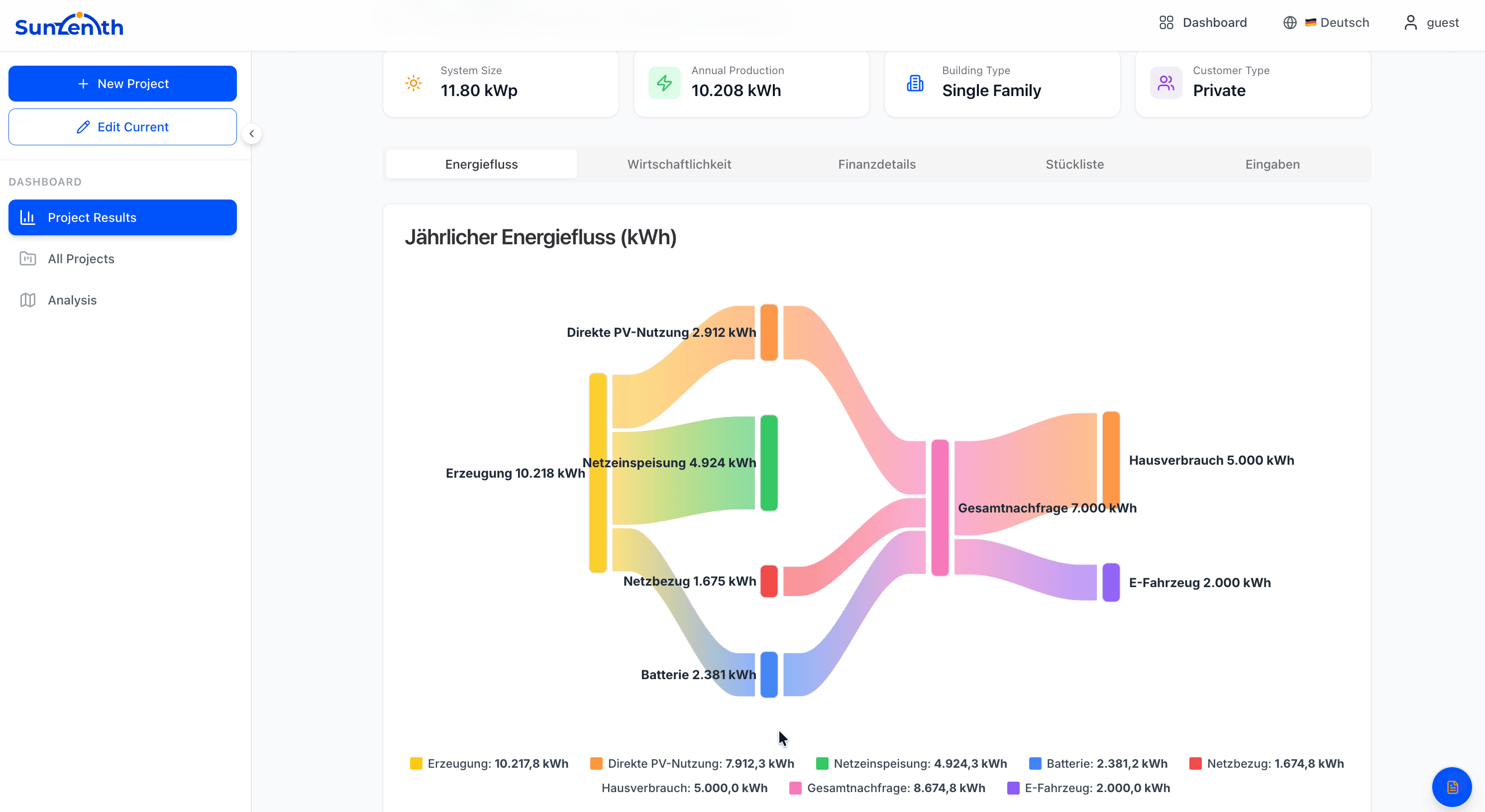
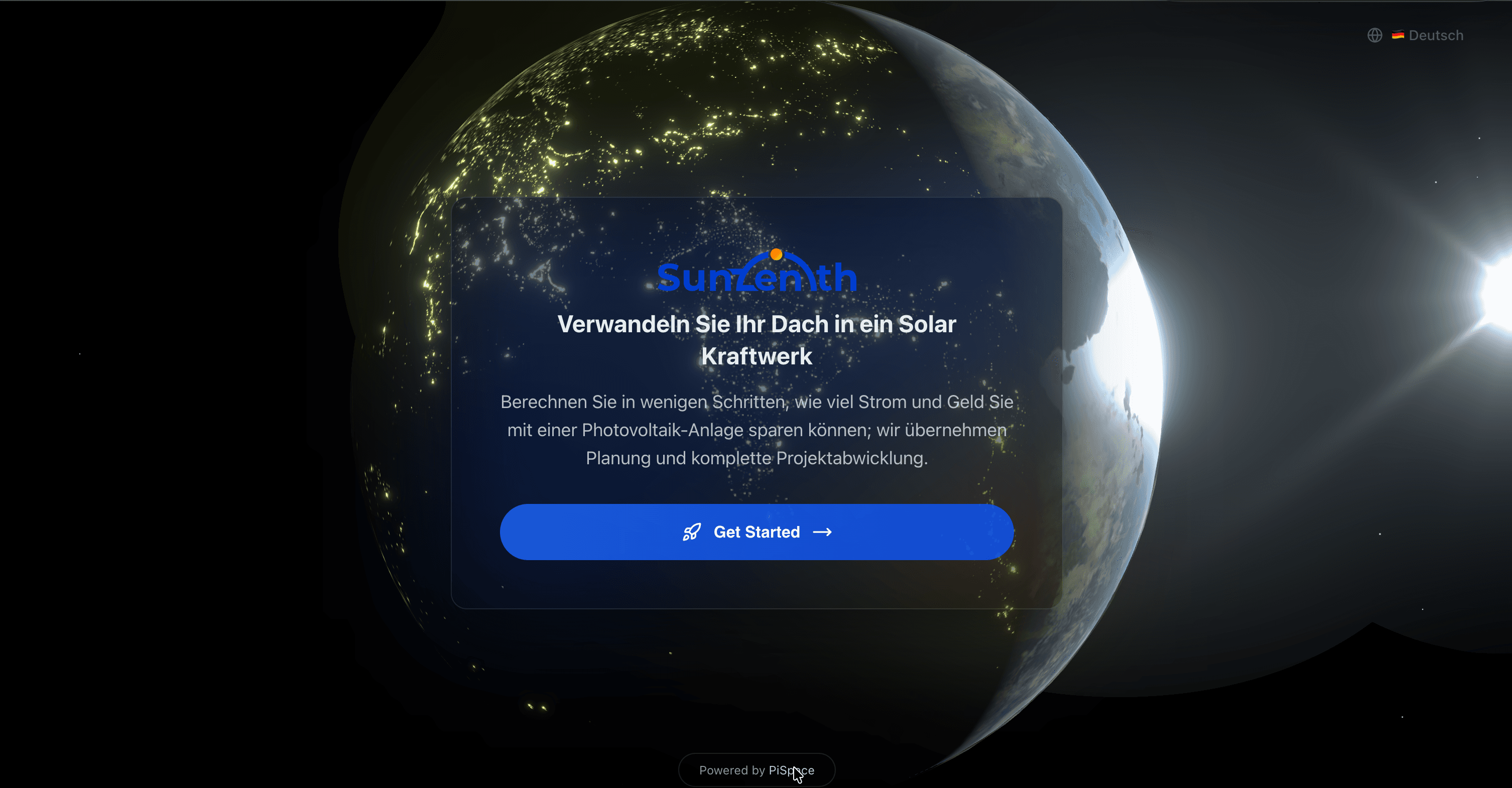
We built Sunzenith's digital presence end-to-end: the company landing page (sunzenith.com) and the Solar Calculator. The main site serves as a high-conversion gateway for Germany's renewable energy transition, combining brand storytelling with lead-generation. The calculator is a professional-grade 'Browser-Based Engineering Tool' available in German and English. Users input roof area and yearly energy consumption to receive tailored recommendations for inverter count, PV modules, and battery capacity. The tool delivers detailed financial analysis with 30-year ROI projections and cumulative profitability analysis, MPPT configurations, CO2 savings, monthly and yearly energy production (kWh), average daily SOC by month and battery state, consumption breakdown, and PV energy breakdown. At the end of each session, the calculator generates a comprehensive report. It integrates with the client's custom CRM and ERP tools for seamless lead and project management. By integrating geographic irradiance data with hardware-specific efficiency models, the calculator provides high-fidelity projections that banks and installers can rely upon.
Challenge
Our core challenge was 'Client-Side Computational Performance.' Calculating solar angles, roof orientation efficiency, and battery discharge cycles in real-time requires significant math. We needed to ensure the UI remained fluid and responsive while the calculation engine processed these multi-variable physics models instantly as the user adjusted sliders.
Solution
We developed a 'Reactive Calculation Engine' using Next.js and TypeScript. By offloading heavy mathematical permutations to optimized frontend logic and utilizing memoization techniques, we eliminated calculation lag. The UI was built with a focused, utility-first approach using Tailwind CSS, ensuring that the complex data output remained clean, readable, and visually 'premium' to instill user confidence.
Tech Stack






Metrics
Related Projects
Safe Square
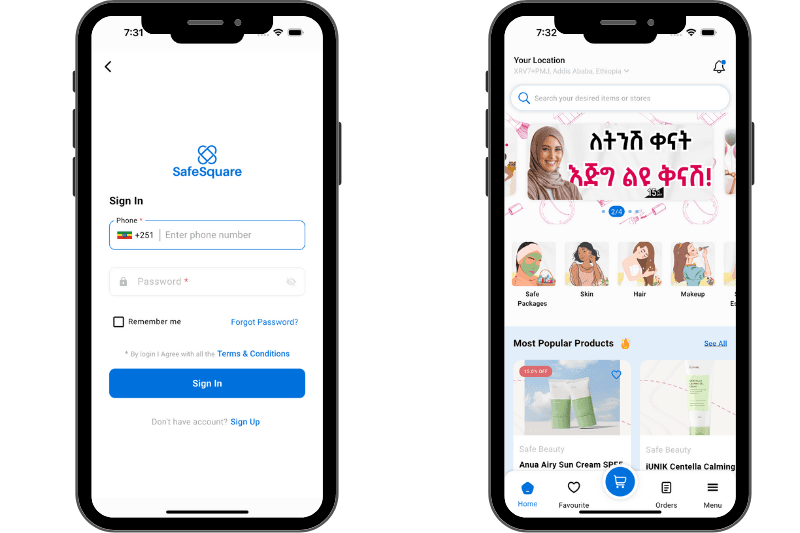
An all-in-one lifestyle hub connecting people, products, and services safely—from beauty and grocery to pharmacy, delivery, and other services.
Korrma
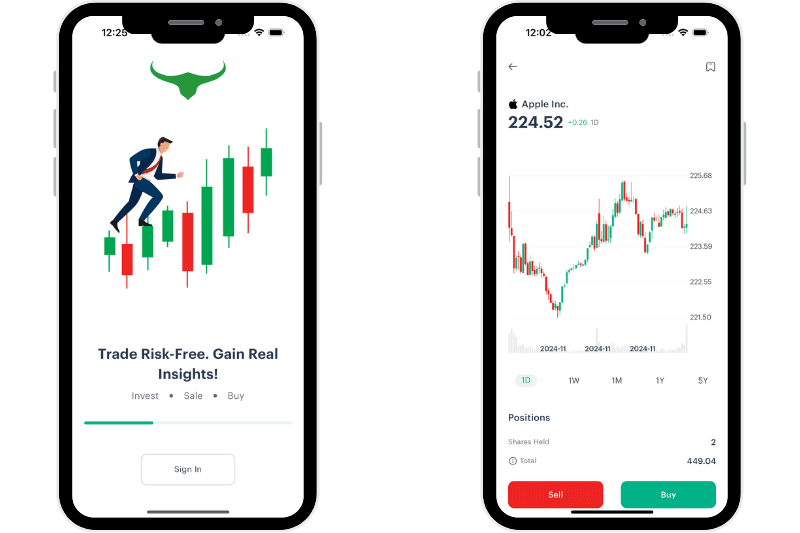
The ultimate stock market simulator and paper trading app for beginners and enthusiasts. Trade in real-market conditions with a virtual portfolio—no real money at risk.
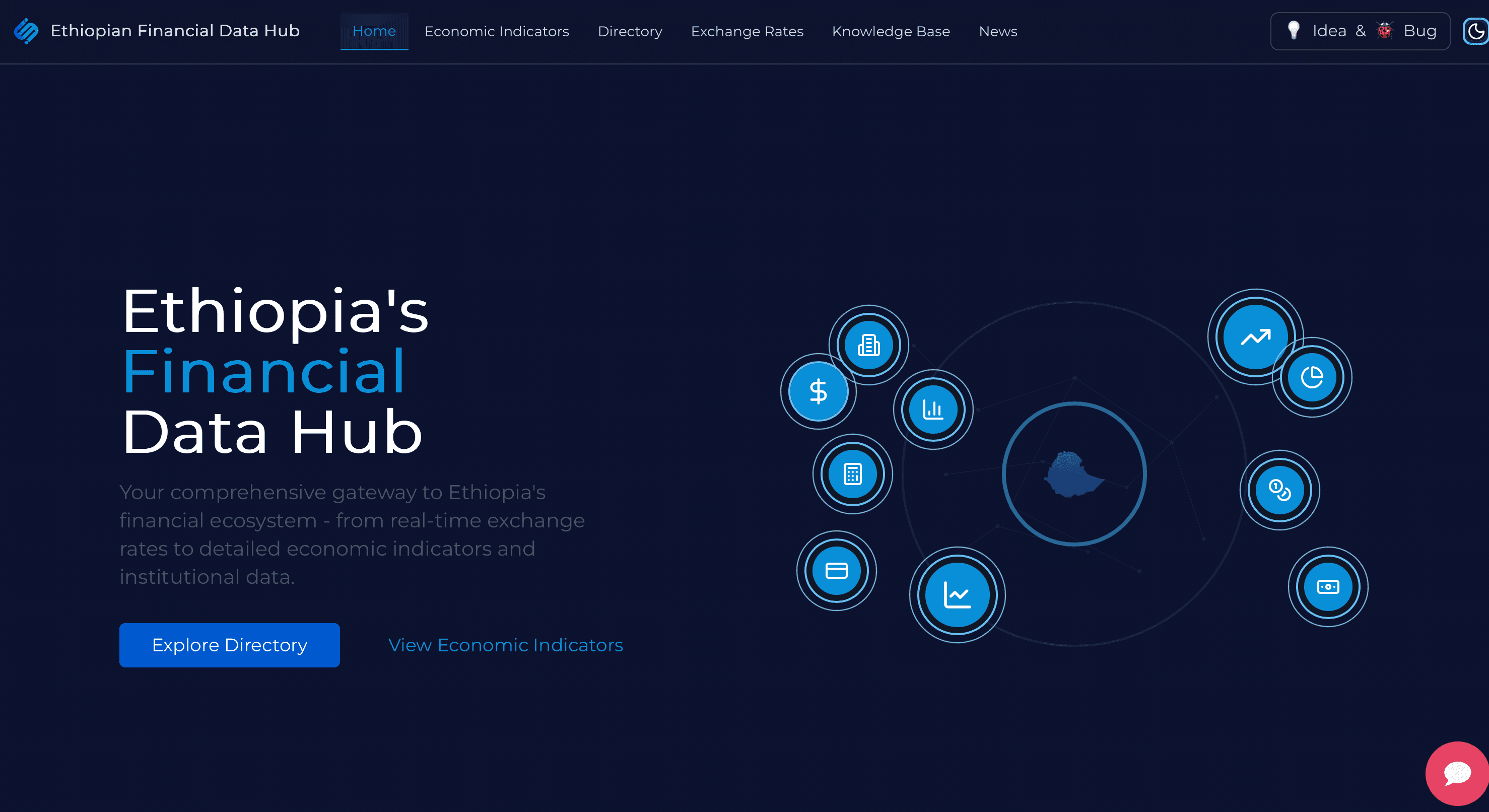
Ethiopian Financial Data Hub
An AI-powered platform leveraging agentic AI and LLMs to extract, validate, and aggregate financial data from unstructured sources across Ethiopia's financial ecosystem.